
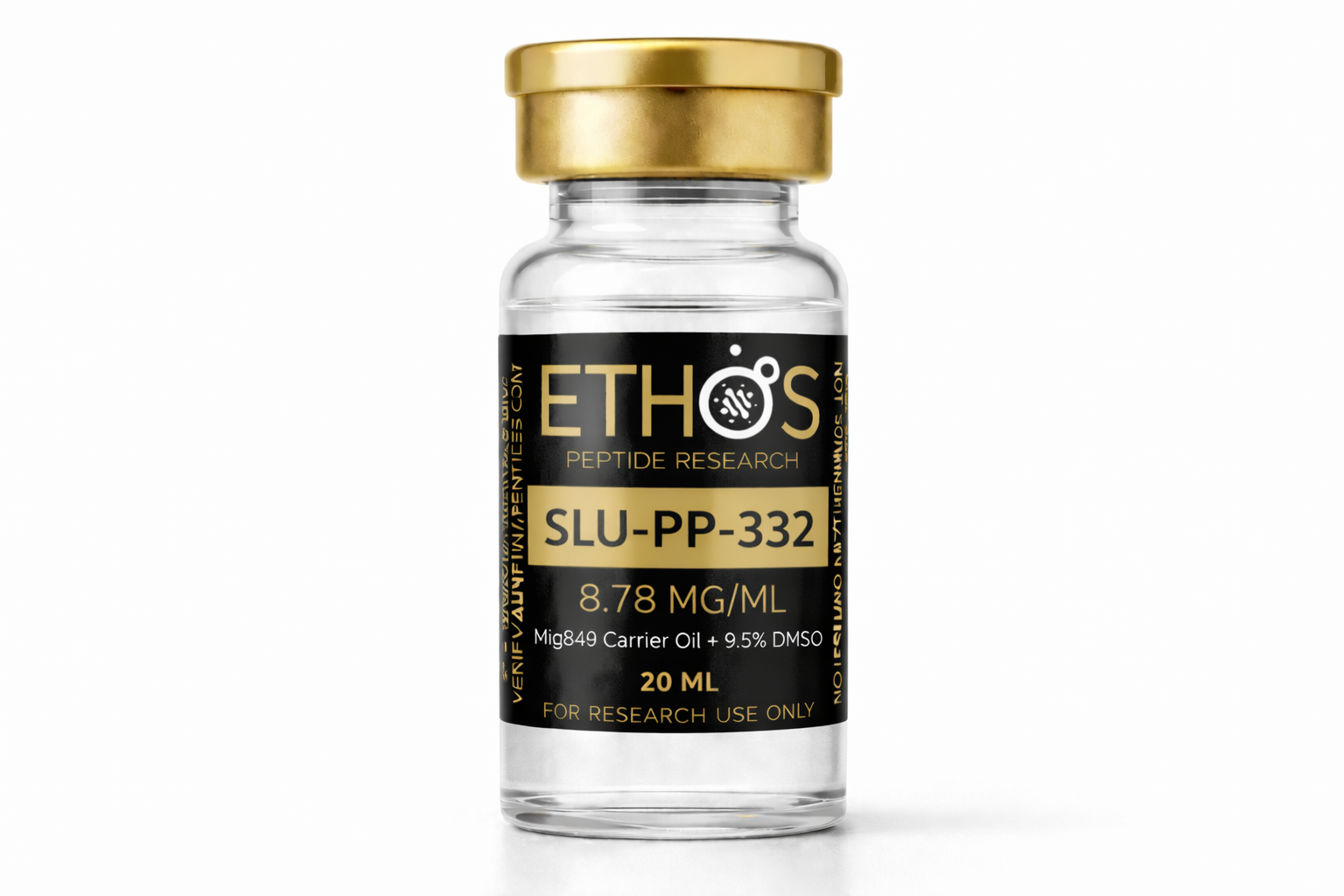
SLU-PP-332 – 8.78mg/ml – 20ml – Liquid – US BREW
$130.00
Out of stock

SLU-PP-332
SLU-PP-332 is a synthetic small-molecule research compound characterized as a potent, non-selective estrogen-related receptor (ERR) pan-agonist with the highest affinity for ERRα. It is widely used in preclinical studies exploring energy metabolism, mitochondrial function, and exercise-mimetic signaling pathways.
Product Information
- CAS Number: 303760-60-3
- Chemical Name: (E)-4-Hydroxy-N’-(naphthalen-2-ylmethylene)benzohydrazide
- Molecular Formula: C18H14N2O2
- Molecular Weight: 290.32 g/mol
- Synonyms: SLU-PP-332; SLU PP 332
- Purity: ≥ 98% (HPLC) – typical research grade specification
- Appearance: Clear Liquid
- Storage Conditions: Store at -20°C, protected from light and moisture; keep container tightly closed.
Research Profile
SLU-PP-332 functions as an ERR pan-agonist, displaying EC50 values in the low nanomolar range for ERRα, ERRβ, and ERRγ, with the greatest potency at ERRα. In cellular and animal models, it has been reported to enhance mitochondrial biogenesis, increase fatty acid oxidation, and support an acute aerobic exercise-like response, making it of interest as an exercise mimetic and metabolic research tool.
This compound is suitable for in vitro or in vivo experimental systems investigating pathways related to energy expenditure, obesity, insulin sensitivity, and skeletal muscle endurance. Researchers commonly use SLU-PP-332 to probe ERR-dependent transcriptional networks and to model the metabolic effects of enhanced mitochondrial activity.
Formulation and Solubility
- Solubility (in vitro): Readily soluble in DMSO, with reported solubility up to approximately 125 mg/mL (~430 mM).
- Suggested Solvents: DMSO for stock solutions; further dilution into aqueous buffers or vehicles as appropriate for the assay.
- Handling: Allow vial to reach room temperature before opening, minimize exposure to air and moisture, and avoid repeated freeze–thaw cycles.
Intended Use
This material is supplied for laboratory research use only and is not intended for human or veterinary use, clinical applications, diagnostic procedures, or household purposes. All handling and disposal should follow appropriate laboratory safety guidelines and institutional regulations for chemical research materials.
Related products
-
Individual Peptides
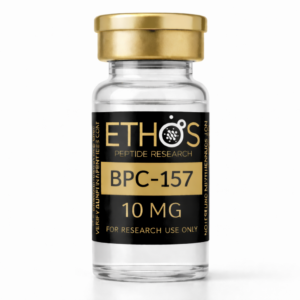
BPC-157
$26.00 Select options This product has multiple variants. The options may be chosen on the product page -
 Individual Peptides
Glutathione
$56.00 Select options This product has multiple variants. The options may be chosen on the product page -
 Cognitive Enhancement
Semax
$43.00 Select options This product has multiple variants. The options may be chosen on the product page -
Sale!
 Individual Peptides
GLP-S 30mg (KIT 10vials)
Original price was: $630.00.$290.00Current price is: $290.00. Select options


&url=https://ethospeptideresearch.com/product/glp-s-30mg-kit-10vials/&media=https://ethospeptideresearch.com/wp-content/uploads/2025/12/ChatGPT-Image-Jan-2-2026-11_08_30-AM-1024x683.png)